
The Dominican Republic has become one of the most attractive destinations in the Caribbean and Central America for international conferences, corporate summits, academic congresses, medical events, and investment forums. With its strategic geographic location, modern hospitality infrastructure, and increasing integration into global markets, cities such as Santo Domingo and Punta Cana are uniquely positioned to host events that require seamless multilingual communication.
Organizing a bilingual or multilingual conference involves much more than simply hiring interpreters. It requires strategic planning, technical coordination, cultural awareness, and logistical precision to ensure that all participants can communicate effectively and experience a world class event.
Understanding the Linguistic Environment
Spanish is the official language of the Dominican Republic, and it is the primary language used in government, legal frameworks, and local business operations. However, English plays a dominant role in tourism, international trade, finance, and multinational corporate interactions. Depending on the industry and origin of attendees, additional languages such as French, Portuguese, German, Mandarin, Russian or Italian may be required.
Event organizers must conduct an early linguistic needs assessment. This includes analyzing attendee demographics, speaker nationalities, panel structures, networking formats, and written communication requirements. Proper assessment helps determine whether the event will require bilingual support or a fully multilingual interpretation system.
Selecting the Appropriate Interpretation Modality
The choice between simultaneous and consecutive interpretation significantly influences event flow, participant engagement, and overall professionalism.
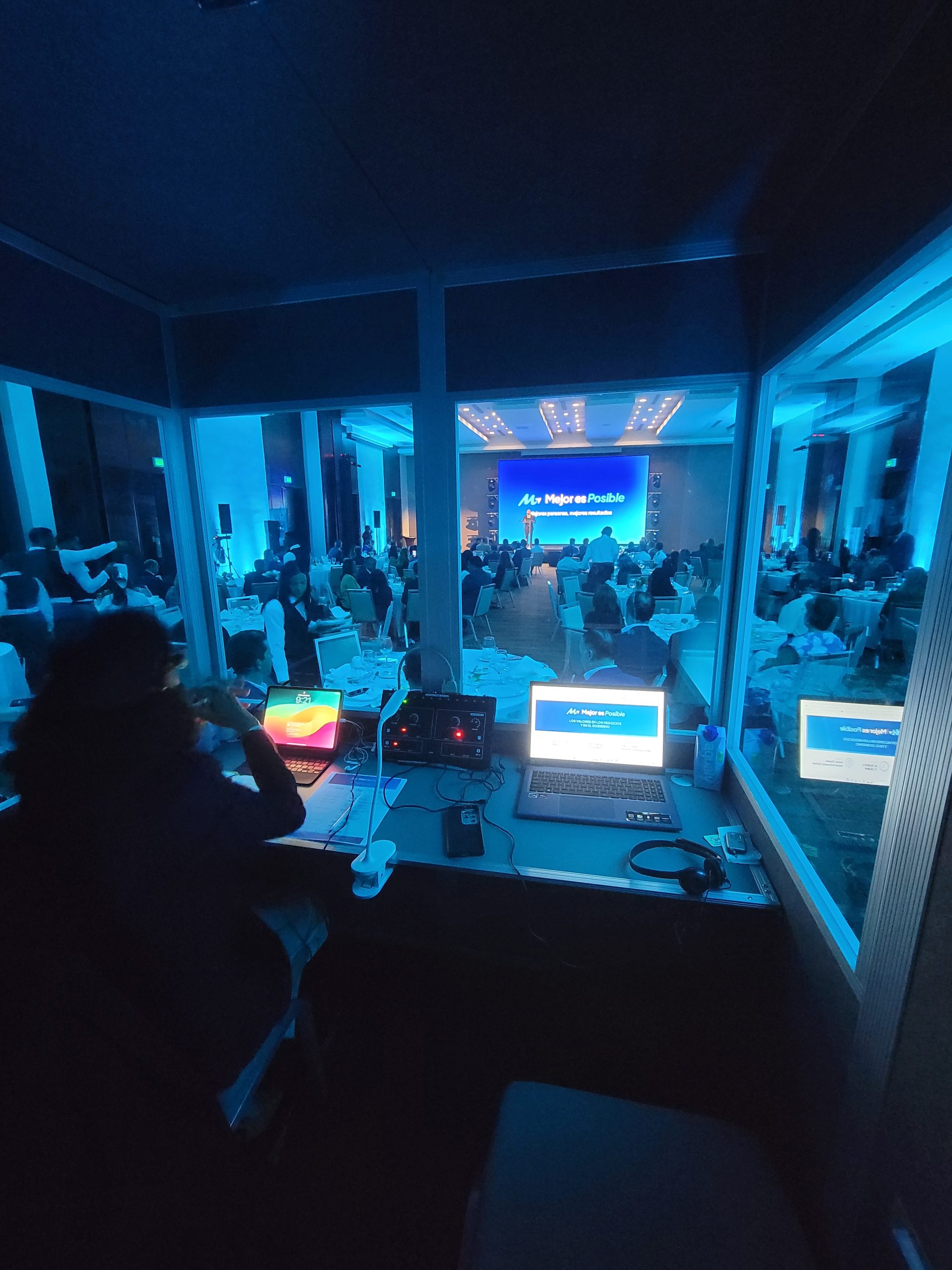
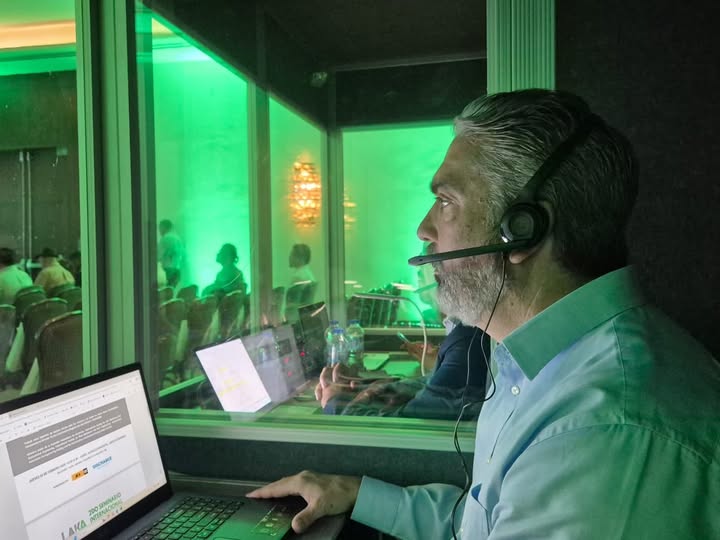
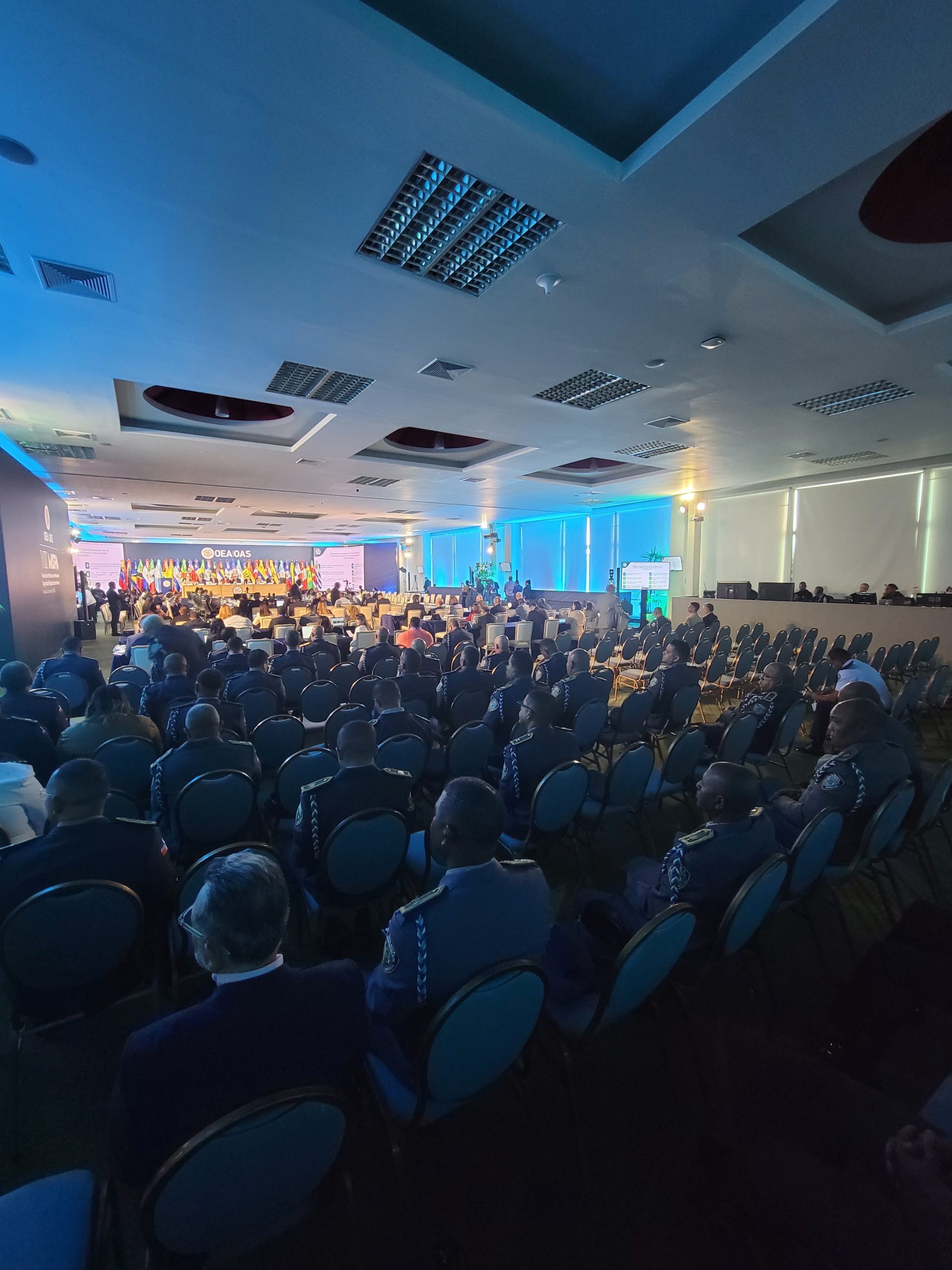
Simultaneous interpretation is considered the gold standard for large-scale international conferences. Interpreters work from soundproof booths and translate speeches in real time while participants listen through wireless headsets. This format ensures efficiency, maintains presentation momentum, and supports complex technical discussions. Our company ConferenceInterpreter also offers WaveCast, allowing audiences to listen to the interpreters using their own smartphones. This modality has no limit in terms of the number of participants, requires no internet connection, and both technologies, wireless receivers and WaveCast, can work together in the same conference room.
Consecutive interpretation is more suitable for short executive meetings, workshops, press briefings, and smaller institutional gatherings. In this format, speakers pause periodically to allow interpretation. While more cost-effective, it requires careful time management.
Hybrid interpretation solutions, including remote simultaneous interpretation (RSI), are increasingly being used for conferences with virtual or hybrid participation models. However, nothing beats having professional interpreters on-site.
Venue Selection Strategy
Santo Domingo offers a formal institutional environment ideal for diplomatic summits, academic conferences, governmental forums, and financial sector events. The city provides proximity to embassies, ministries, international organizations, and corporate headquarters.
Punta Cana is internationally recognized for its resort-based convention infrastructure. It is particularly suitable for global corporate conventions, incentive programs, industry expos, and association congresses. The destination offers integrated hospitality solutions combining conference facilities, accommodation, and leisure experiences.
When selecting a venue, organizers must verify technical compatibility with interpretation equipment, including soundproof booth installation space, ceiling height, acoustic insulation, and power supply reliability. Before signing a contract with the hotel sales department, during the negotiation process you must include the authority to bring your own interpreters without paying a penalty fee. As part of your staff. Some hotels have audiovisual equipment suppliers under permanent contract and ask these suppliers to find interpreters and simultaneous interpretation equipment that they do not have. Often, they subcontract interpreters with the lowest cost through multiple intermediaries who each take a share, resulting in highly priced unprofessional interpreters who are unable to match the proficiency of your speakers.
Technical Infrastructure and Equipment Requirements
Professional multilingual conferences depend on specialized technical infrastructure. Essential components include ISO-compliant interpretation booths, digital transmission systems, wireless receivers, delegate microphones, mixing consoles, and trained audio technicians.
Acoustic engineering plays a crucial role in ensuring sound clarity and avoiding feedback or signal interference. Proper rehearsal and system testing should be conducted prior to the event.
Integration with audiovisual production, live streaming, and hybrid event platforms must also be carefully coordinated.
Interpreter Coordination and Preparation
Professional conference interpreters require adequate preparation to deliver accurate and high-quality interpretation with an elegant rendition and pleasant tone of voice. Organizers should provide conference agendas, speaker biographies, presentation materials, glossaries, and technical documentation in advance.
Interpretation teams typically work in pairs, rotating every 20–30 minutes to maintain cognitive performance and accuracy. Scheduling must account for adequate rest periods, meal breaks, and technical briefings. The quality of an interpreter transmitting 100% of the message starts to fall after 30-40 minutes of continued concentration. You must make sure that if you are paying for 2 interpreters per booth, you actually get 2 interpreters alternating every 30 minutes. To be more competitive some suppliers charge for 2 and give you only one interpreter per booth who will make your audience suffer within the first hour. The experience of those who listen to the interpretation must be always identical to the experience of those who listen directly to the speaker in the original language.
Industry specialization is another important factor. Medical, legal, financial, and scientific conferences require interpreters with subject-matter expertise.
Cultural Intelligence and Protocol Management
Multilingual conferences often involve participants from diverse cultural, institutional, and professional backgrounds. Cultural intelligence is essential to ensure appropriate communication styles, protocol observance, and networking effectiveness.
This includes adapting event moderation styles, managing multilingual signage, translating printed materials, and training event staff to assist international attendees.
Protocol considerations may also involve diplomatic precedence, institutional representation, and formal address conventions.
Enhancing Participant Experience and Event Impact
Effective multilingual communication significantly enhances participant engagement, knowledge exchange, and networking outcomes. High-quality interpretation services reduce misunderstandings, increase accessibility, and strengthen the global reputation of the host organization.
The Dominican Republic’s positioning as a regional conference hub continues to grow, supported by investment in infrastructure, connectivity, and professional services.
Conclusion
Organizing a bilingual or multilingual conference in Santo Domingo or Punta Cana requires strategic planning across linguistic, technical, cultural, and logistical dimensions. By partnering with experienced interpretation providers and adopting international event management standards, organizers can deliver impactful events that foster global collaboration and position the Dominican Republic as a premier destination for multilingual conferences.